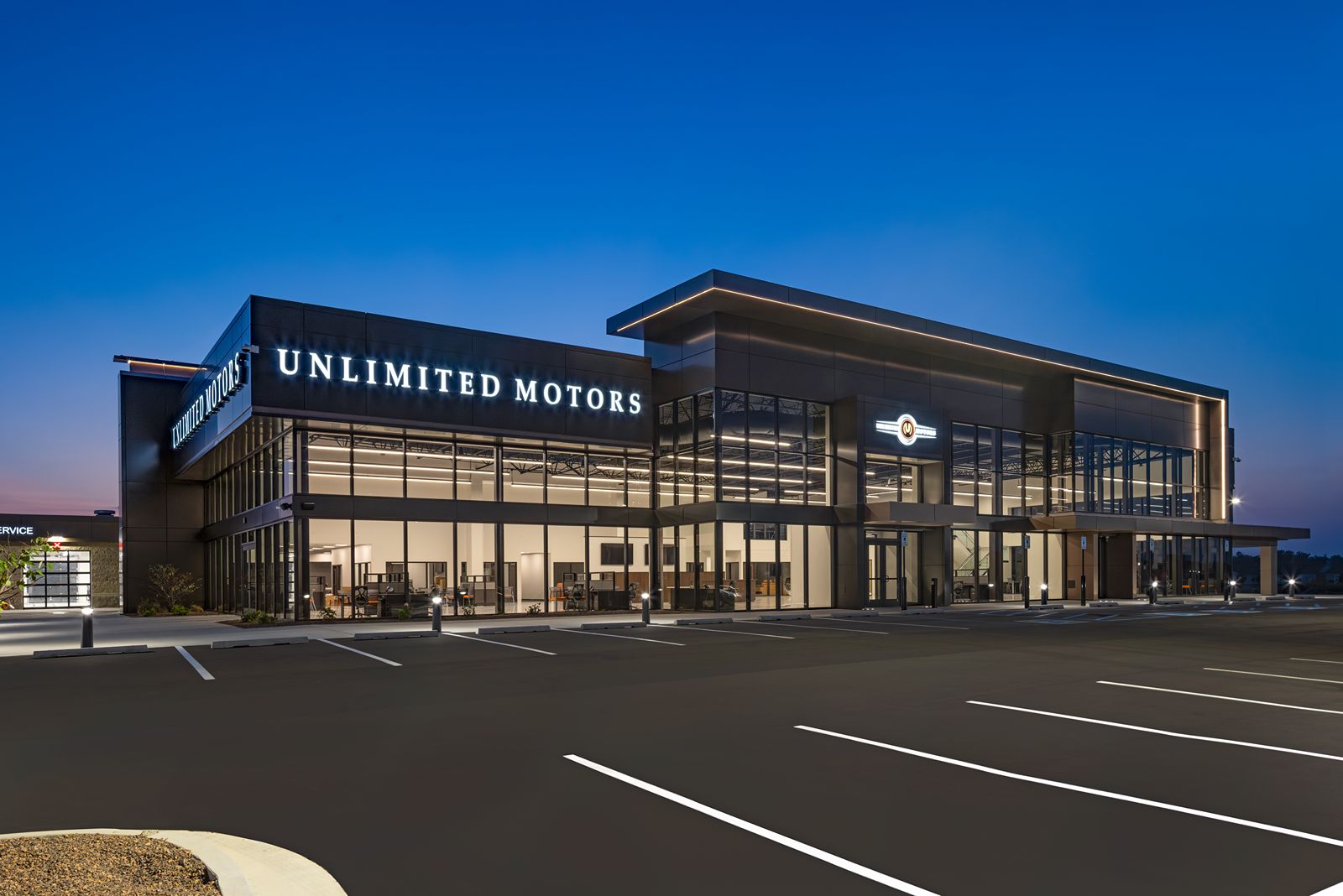
Port City Subaru and neighboring franchises along the Market Street dealership corridor in Wilmington, North Carolina operate in one of the state's most hurricane-exposed coastal markets. The Cape Fear region's direct Atlantic coastline and position near the apex of the North Carolina coast's southward bend make Wilmington one of the most storm-impacted mid-Atlantic coastal cities in recent history. Hurricane Florence in 2018 was not the first and will not be the last significant storm to test the structural resilience of auto dealership buildings in New Hanover County, and operators who have invested in hurricane-grade roofing systems consistently experience lower post-storm remediation costs than those who have not.
North Carolina's Building Code coastal construction requirements are among the most rigorous in the eastern United States, and dealerships in New Hanover County fall within the state's highest coastal wind speed zone. Low-slope commercial roofing assemblies must demonstrate wind uplift resistance that reflects the regional design wind speeds — which approach 130 mph for much of the county — and the installation must be documented with product approvals that confirm the tested assembly performance. Dealers who are unsure whether their existing roofing was installed to these standards should schedule an evaluation before the next storm season.
Showroom buildings at Wilmington dealerships typically feature large glass areas and architectural roof elements designed to be visible from the street, creating an aesthetic that serves sales but a roofing challenge that demands careful hurricane detailing. Skylights and curtain wall roof connections require wind-rated glazing and integration flashing that meets the same performance standard as the surrounding membrane. Storm-driven rain infiltrating through a failed skylight or curtain wall connection during a hurricane event does damage well out of proportion to the size of the opening involved.
Salt air corrosion from the Cape Fear coast affects Wilmington dealership roofs similarly to other coastal North Carolina markets. Metal components — drain hardware, HVAC curb caps, edge metal clips, and pipe boot collars — corrode faster in the coastal salt atmosphere than inland equivalents. The corrosion timeline in Wilmington is longer than in Virginia Beach or the Outer Banks barrier islands, but it is meaningfully accelerated compared to inland North Carolina, and specifying marine-grade corrosion-resistant components at installation is worth the modest cost premium in this environment.
Service department roofing at Wilmington dealerships generates a penetration inventory that includes high-volume exhaust fans for paint booth and service bay ventilation, multiple HVAC condenser units, compressed air main headers, and overhead door assemblies. Each of those penetrations is a potential entry point for hurricane-driven rain if the flashing detail is not specifically designed for the wind and rain loads of a direct storm event. We specify and install hurricane-rated curb caps, reinforced pipe boot collars, and sealed overhead door header flashings on all Wilmington service department projects.
Hurricane season operational planning for Wilmington dealerships must include roof condition as a factor. Operators who know their roofs are in good condition with current, properly attached edge metal and sound perimeter flashings can focus their pre-storm preparation on vehicle lot clearing and interior protection. Operators with aging or compromised roofing systems face the additional risk that a major storm will cause building damage on top of inventory losses, compounding the business disruption and financial exposure of the event. Pre-storm roof assessments are worth scheduling annually before June 1.
The Wilmington market's growing residential population, driven by retirement migration and coastal lifestyle appeal, has expanded the dealership market significantly in recent years. New dealership construction and facility expansion projects in the area are subject to current North Carolina Building Code requirements including enhanced coastal wind resistance standards, and we design new dealership roofing to meet those requirements from the outset rather than retrofitting hurricane hardening onto a system specified to lesser standards.
Post-hurricane emergency response is a service that Wilmington dealership operators should establish before storm season. Contractor availability in the Cape Fear region collapses within 48 hours of storm passage as commercial and residential repair demand surges across the region simultaneously. Emergency tarping of compromised roof areas is critical for preventing secondary damage from the rainfall that follows storm passage, and we maintain dedicated emergency response capacity for program clients in the Wilmington market.
Auto dealership operators throughout the greater Wilmington area — from the Market Street corridor through Ogden, Porters Neck, and across the Cape Fear River into Brunswick County — can schedule a complimentary hurricane preparedness roofing assessment. We evaluate wind uplift performance, coastal corrosion exposure, North Carolina Building Code compliance, and post-storm response readiness, providing written reports that help dealer operators manage their facilities through the active Atlantic hurricane season.
- What North Carolina Building Code wind speed requirements apply to auto dealerships in Wilmington?
- New Hanover County falls within North Carolina's coastal zone with basic wind speeds approaching or exceeding uplift pressure calculations that determine the required fastening density for membrane systems, edge metal attachment, and equipment curb anchoring. Product approvals confirming tested performance at the applicable wind speed are required for NC code compliance.
- How does a Wilmington auto dealership protect vehicle inventory from hurricane wind and rain?
- Vehicle protection during approaching storms is typically managed by moving inventory to covered structures or transport to higher-ground lots before a watch or warning is issued. The building roof's performance during the storm then determines whether vehicles stored inside the service department and showroom are also protected. A maintained, hurricane-rated roof is the last line of defense for vehicles that cannot be moved off-site before storm arrival.
- What causes the most hurricane roof damage on Wilmington auto dealerships?
- Edge metal failure is the most common initiating event. Once perimeter edge metal lifts under high sustained winds, the underlying membrane can peel progressively across large areas. Skylights are a close second — unrated glazing panels that break under wind or hail allow hurricane-driven rain to enter the building with tremendous volume. Maintaining edge metal attachment and upgrading skylight glazing to impact-rated products are the two highest-priority hurricane preparedness investments for most Wilmington dealerships.
- How long does it take to get emergency roofing service after a hurricane in Wilmington?
- For dealers without pre-established contractor relationships, post-storm wait times for commercial roofing service can range from days to weeks after a major event, as demand surges simultaneously across the entire Cape Fear region. Dealers with active maintenance programs receive priority scheduling, typically within 24 to 48 hours of storm passage when site access is restored. We recommend establishing a maintenance program relationship before the storm season rather than seeking emergency contractors after an event.
- Are there NC energy code requirements for auto dealership roof insulation in Wilmington?
- North Carolina has adopted the NC Energy Conservation Code based on IECC, which requires continuous insulation R-values for commercial roofs in Climate Zone 3A (Wilmington's zone). Current requirements are approximately R-15 for most low-slope commercial applications, which is lower than the requirements for colder northern states but still meaningful for dealerships reroofing with new insulation. We evaluate compliance requirements during the project proposal phase for every Wilmington dealership project.