Wilmington's commercial corridors include the US-74 and US-17 commercial and industrial belts, the South Front Street and Cargo District redevelopment zones, the Wilmington International Airport area employment hub, and the Brunswick County suburban growth areas. The high ambient humidity levels in this climate zone make moisture-related roof assembly failures more common and more severe than in dry markets — with vapor drive, trapped condensation, and accelerated deck corrosion creating repair conditions that can progress from localized damage to full replacement scope within one to two inspection cycles if not addressed early.
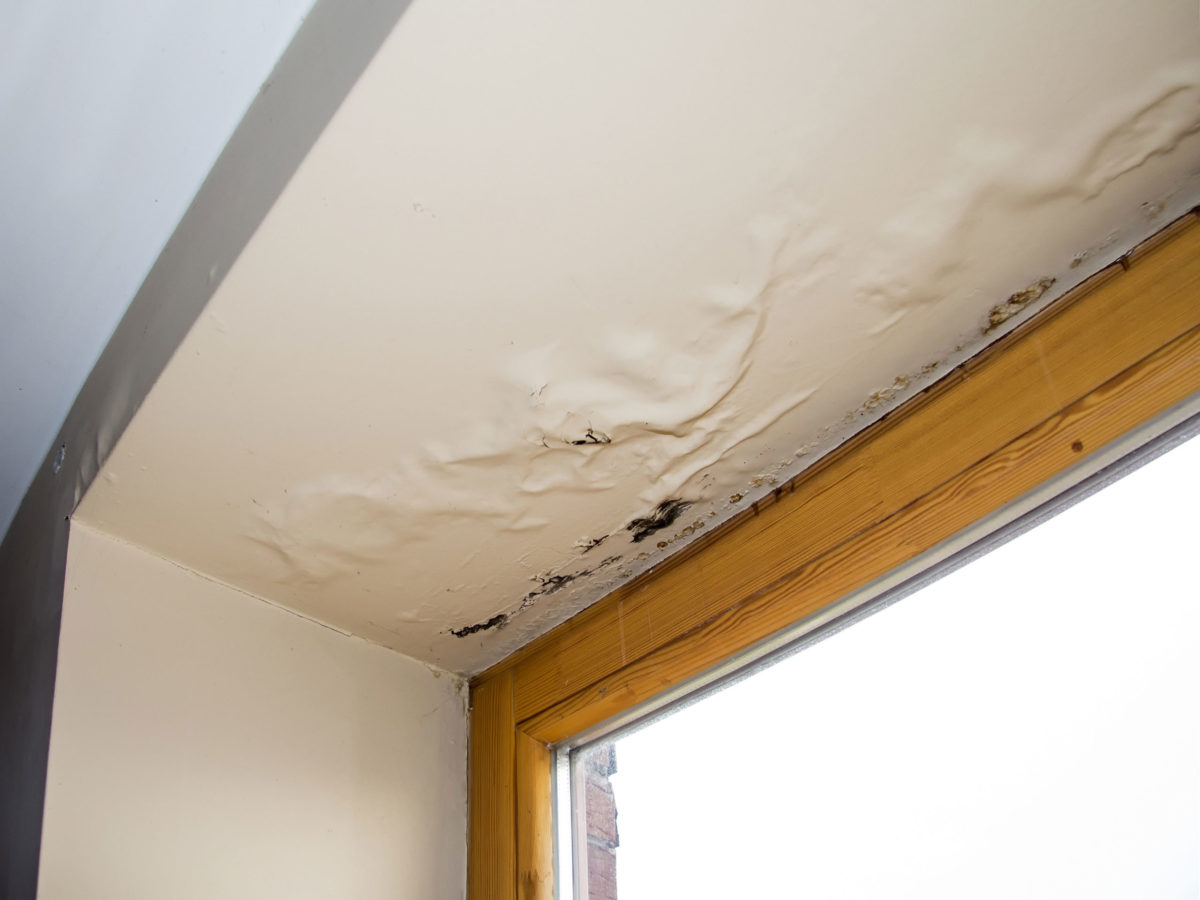
Humidity Damage Roof Repair in Wilmington, NC addresses a failure mode that is categorically different from storm damage or simple wear. In high-humidity coastal and inland markets, moisture vapor migrates through the roof assembly from inside the building or from below the membrane — not just from rain events. This vapor drive traps moisture within the insulation layer, accelerates deck corrosion, and causes the membrane to blister and delaminate from its substrate. By the time humidity damage is visible as blistering or ponding above wet insulation, the assembly is often compromised across a significant portion of the roof area, not just at obvious leak locations.
Infrared moisture scanning is the standard diagnostic tool for humidity-related roof assembly failure. A thermal scan conducted during appropriate conditions identifies wet insulation as zones with different thermal mass than dry surrounding areas — these zones hold heat longer after sunset and appear warmer on the thermal image. Roof cuts confirm the insulation condition at flagged locations. In Wilmington's humidity environment, we recommend IR moisture surveys as part of every major roofing assessment on buildings that have not had a documented survey within the last three years — wet insulation found early is a repair scope; wet insulation found after it has corroded the deck is a full replacement project.
Roof assemblies most vulnerable to humidity damage in Wilmington are those with vapor retarder placement inconsistent with the dominant vapor drive direction for the climate zone. NC's humid climate typically drives moisture vapor upward through the assembly from the conditioned interior to the exterior — which means the vapor retarder belongs below the insulation, not above it. Assemblies with the vapor retarder in the wrong position create a moisture trap that works against the building physics rather than with it. Recovering over a misspecified assembly without correcting the vapor management layer is a guaranteed way to recreate the humidity damage problem in the new assembly.
Common humidity damage failure patterns in Wilmington commercial roofing: blistered single-ply membranes caused by vapor pressure buildup beneath the sheet, lifted edge metal and coping caps where moisture has corroded the fascia fasteners, deteriorated tapered insulation that has compressed under moisture load and lost its slope-to-drain design, and corrosion-perforated steel decks in buildings that have operated with wet insulation for multiple roof cycles. We identify and document all of these during the pre-project inspection and include remediation in the scope rather than discovering them at teardown.
Humidity & Moisture Damage Repair Questions
How do you find moisture damage that isn't visible from the roof surface?
Infrared thermal scanning is the standard diagnostic approach for hidden moisture in commercial roof assemblies. We conduct IR scans after sunset when thermal contrast between wet and dry insulation is highest. Wet insulation holds heat from the day longer than dry insulation — it appears warmer on the thermal image and is identifiable as a discrete zone. Roof cuts at flagged locations confirm the IR findings. Core samples also reveal insulation compression, deck corrosion, and vapor retarder condition that aren't visible from the surface.
What causes moisture to get trapped inside the roof assembly in humid climates?
In Wilmington's humid climate, vapor drive from the conditioned building interior pushes moisture vapor upward through the roof assembly. If the vapor retarder is positioned incorrectly — above the insulation rather than below it — or if the vapor retarder is damaged or missing, moisture vapor condenses within the insulation layer when it contacts cooler surfaces above. Over time, this trapped moisture saturates the insulation, corrodes the steel deck, and causes membrane delamination even without a rain event penetrating the membrane.
Can a humidity-damaged roof be repaired rather than replaced?
Localized humidity damage — wet insulation in discrete zones confirmed by IR survey with dry surrounding areas — can be addressed with a targeted cut-and-patch approach: remove wet insulation and replace with new dry material, restore the membrane over the repair, and re-seal any edge metal and flashing details in the affected zone. Full replacement is required when wet insulation covers more than 25-30% of the roof area or when deck corrosion has compromised structural integrity. We provide an IR survey report and cost comparison of repair vs. replacement after the diagnostic is complete.
How quickly does humidity damage progress if left unaddressed?
Humidity damage to a commercial roof assembly in a market like Wilmington progresses steadily once it begins. Wet insulation provides no thermal resistance — the building loses conditioned air through the roof at a higher rate, increasing HVAC operating costs. Steel deck corrosion accelerates in the presence of constant moisture. A roof assembly with 15% wet insulation coverage that is left unaddressed for two additional seasons may present 40-50% wet coverage at the next inspection — and a repair scope that was manageable has become a full replacement project.
What does a typical Humidity Damage Roof Repair scope cost?
Localized humidity damage repair in Wilmington — covering a typical IR-identified wet zone — is priced per affected square foot based on insulation depth, deck condition, and membrane repair requirements. The IR survey fee is typically credited against the repair project if we perform the work. Full replacement scopes triggered by widespread wet insulation are priced at the standard reroofing rate with the added scope of deck corrosion remediation where needed. We provide separate pricing for the diagnostic, targeted repair, and full replacement options after the survey is complete.