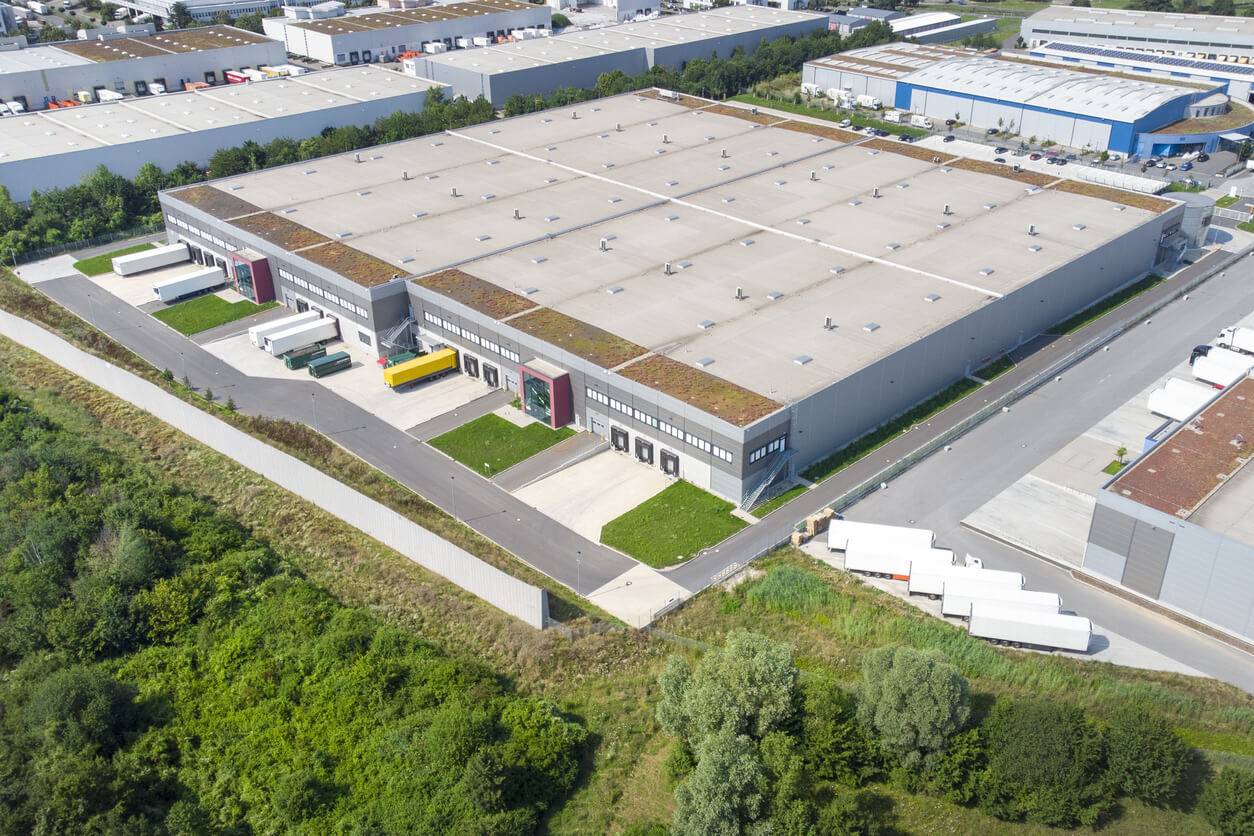
Wilmington sits at the intersection of North Carolina's coastal economy and its growing inland industrial base. The Port of Wilmington — one of two deep-water ports operated by the NC State Ports Authority — handles general cargo, forest products, and bulk commodities that connect North Carolina's manufacturing economy to global markets. Northchase Industrial Park, Pender Commerce Park, and the International Logistics Park have positioned Wilmington as a significant Southeast logistics hub, drawing distribution center investment from companies serving both coastal and inland North Carolina markets. ILM Business Park at Wilmington International Airport adds aviation-adjacent logistics capacity. The I-40, US-17, and US-74 corridor connections tie Wilmington's industrial zones to Charlotte, Raleigh, and the broader regional economy. GE-Hitachi Nuclear's nearby facility in Wilmington adds advanced manufacturing complexity to what is primarily a port, logistics, and distribution economy. Castle Hayne's industrial area rounds out the county's industrial real estate. This is a growing market in one of the most hurricane-exposed positions on the Atlantic coast.
Sixty inches of annual rainfall is the baseline climate challenge for Wilmington Industrial Roofing. Only parts of the Pacific Northwest and the Gulf Coast approach Wilmington's combination of annual rainfall total and tropical storm exposure. Rain here is distributed throughout the year, with a summer wet season intensified by tropical systems and a winter wet season driven by coastal fronts. The practical implication for flat and low-slope industrial roofs is that there is no extended dry season for drainage systems to fully clear and for roofing systems to recover from accumulated moisture stress. Year-round inspection and drainage maintenance schedules, rather than the seasonal programs that are adequate in drier markets, are the appropriate baseline for Wilmington industrial facilities.
Hurricane Florence's 2018 landfall near Wrightsville Beach, just east of Wilmington, delivered catastrophic wind and rainfall damage across the Cape Fear region. Florence produced 30 to 35 inches of rainfall in some areas over three days — a total that would represent a full year of precipitation for many US cities. Industrial buildings that survived the initial wind event still faced extraordinary water loading from the sustained multi-day rainfall. Flood inundation, roof drainage system overwhelm, and the extended moisture exposure that followed the storm created damage patterns that were different from typical wind-focused hurricane impacts. Dorian's 2019 near-miss reinforced the reality that Wilmington's location makes it one of the most hurricane-vulnerable industrial markets in the eastern United States.
Salt air from the Atlantic Ocean permeates Wilmington's industrial environment from the east, and the Cape Fear River and other tidal waterways extend marine exposure further inland than open-ocean proximity alone would suggest. Industrial facilities in Northchase, Castle Hayne, and the Pender County logistics parks are far enough from the beach that casual assessment might underestimate their marine exposure, but the salt air transport that occurs during onshore wind events and tropical approach conditions means these facilities experience meaningful corrosive exposure. Marine-grade fasteners, coated edge metal, and sealed metal component details are appropriate specifications for all Wilmington industrial facilities, not just those immediately adjacent to the coast or river.
GE-Hitachi's Wilmington nuclear fuel manufacturing facility — one of the few such facilities in the United States — operates under NRC regulations and federal facility standards that set the bar for roofing performance requirements in the market. Nuclear fuel manufacturing demands absolute environmental control and facilities management standards that are orders of magnitude more stringent than commercial industrial work. The significance of this facility to the region's industrial economy and the employment base makes it an important anchor even for roofing contractors who will never work directly on the nuclear facility — it sets a standard of technical sophistication that elevates the overall industrial market.
Port of Wilmington facilities face the same combination of marine exposure and industrial contamination that port-zone industrial buildings across the country experience. Forest products, bulk cargo, and container operations deposit organic and inorganic contamination on rooftop surfaces and in drainage pathways. Organic contamination from wood pulp and paper products creates biological growth opportunities in drainage systems and on rooftop surfaces in Wilmington's warm, wet climate. Port-zone buildings should schedule regular professional roof cleaning and drain clearing — the warm temperatures and high rainfall that characterize Wilmington's climate create ideal conditions for biological growth on insufficiently maintained roof surfaces.
The I-40 logistics corridor has been the primary driver of Wilmington's distribution center growth, with new large-footprint industrial buildings continuing to develop along the I-40 westward axis. New construction in this corridor arrives at a moment when Wilmington's storm history — Florence, Dorian, and a long list of lesser events — has made clear what these buildings will face. Developers and facility managers making roofing decisions for new Wilmington distribution centers should specify for hurricane wind uplift resistance appropriate to the Cape Fear coastal zone, drainage systems sized for multi-day tropical rainfall events, not just hourly peak intensity, and salt-air-appropriate metal components. These specifications cost more upfront than standard inland industrial specs, but they are the correct engineering choice for this location.
Pender Commerce Park and the facilities in Pender County to the north of Wilmington represent a growing industrial zone that is geographically positioned for significant exposure to landfalling Atlantic hurricanes. Pender County's track record in storm events — Florence made its closest approach very near the county border — should drive roofing decisions that fully account for the wind and rainfall exposure the location represents. Post-Florence insurance claim volumes in Pender County were among the highest in North Carolina, and facility managers who were not adequately prepared for the event faced extended recovery timelines that could have been shortened by proactive roof specification and maintenance programs.
North Carolina requires commercial roofing contractors to be licensed under the NC Licensing Board for General Contractors, with the appropriate classification for roofing work on commercial and industrial buildings. New Hanover County and Pender County permitting requirements for large industrial reroofing projects must be factored into project timelines. Post-hurricane response demand in the Wilmington market can overwhelm contractor capacity for months after a significant event, and facility managers with established maintenance agreements with commercial roofing contractors receive prioritized response over those calling cold. The 2018-2019 storm seasons demonstrated clearly that building these relationships before the next event is the most practical risk management action available to Wilmington industrial facility owners.
Our team has served Wilmington's growing industrial market — from Port of Wilmington facilities to I-40 corridor distribution centers to Pender County logistics parks — through the storm seasons that have defined this market's awareness of roofing risk. We understand hurricane wind uplift specification for the Cape Fear coastal zone, tropical rainfall drainage demands, salt air exposure management, and the post-storm response protocols that industrial facility owners in this market need from their roofing contractor. Contact us to schedule a professional assessment of your Wilmington industrial facility's roofing system and establish the relationship that will matter most when the next storm approaches.
Questions Owners Ask
What did Hurricane Florence reveal about industrial roof vulnerabilities in the Wilmington area?
Florence's most distinctive impact was not peak wind speed — it was the prolonged three-day rainfall of 30 to 35 inches that produced drainage overwhelm, roof-level flooding, and sustained moisture exposure that standard storm-response planning was not prepared for. Industrial buildings with under-capacity drainage systems and clogged drains experienced ponding that could not be resolved until the storm finally moved off. Flat roofs with insufficient slope allowed standing water to remain for days, forcing water under flashings and through minor seam imperfections that would not have leaked during a shorter event. Florence demonstrated that multi-day tropical rainfall capacity is as important as peak wind uplift resistance in Wilmington's Industrial Roofing environment.
How should I size drainage systems for a new Wilmington industrial building to handle tropical storms?
Standard drainage design for commercial buildings uses peak hourly rainfall intensity from local precipitation frequency tables. For Wilmington industrial buildings, this should be supplemented by designing overflow drainage capacity based on multi-day sustained tropical rainfall scenarios — Florence's totals represent a reasonable worst-case design event. Primary drain sizing should handle the 10-year hourly peak, and overflow drainage pathways should be sized to safely route water off the building if primary drains are overwhelmed or blocked. For large-footprint buildings, multiple independent drain zones with separate overflow pathways provide redundancy that is appropriate for the Cape Fear hurricane zone.
What North Carolina wind zone applies to industrial buildings in Wilmington, and what does it mean for roofing?
New Hanover and Pender Counties are in North Carolina's highest wind speed zones, with design wind speeds that require substantial mechanical attachment of roofing systems. The ASCE 7 wind speed maps and NC Building Code together determine the specific uplift loads that roofing systems must resist, with perimeter and corner zones requiring significantly higher attachment density than field areas. Roofing systems must be tested and labeled to FM Global or ANSI/SPRI uplift resistance standards, and the test data must demonstrate compliance with the applicable wind speed for the specific building height and exposure category. Buildings predating the post-Florence code updates should be evaluated against current requirements.
How does salt air affect industrial roofs in inland Wilmington-area industrial parks like Northchase?
Salt air transport during onshore flow events and tropical storm approaches carries corrosive chlorides well inland from the beach and river. Northchase, Castle Hayne, and even Pender County facilities experience meaningful marine exposure during these conditions. The impact is primarily on metal components — fasteners, edge metal, equipment curbs, and pipe flashings — which oxidize faster than their rated service life in sustained corrosive exposure. Annual inspection of all metal components, regardless of distance from the coast, and replacement of corroded elements before they fail structurally is the appropriate maintenance standard for all Wilmington-area industrial facilities.
How do I establish a post-hurricane response priority with a Wilmington commercial roofing contractor?
The most effective approach is a preventive maintenance agreement that establishes your facility as an active client before a storm event. Contractors who have active maintenance relationships prioritize those clients for post-storm inspection and emergency response over facilities calling cold. The agreement should specify post-storm inspection response timing, emergency temporary repair capability, and documentation protocols for insurance claim support. Signing the agreement during the off-season rather than in May or June means you are not competing with every other facility owner who suddenly wants a maintenance relationship when storm season arrives.