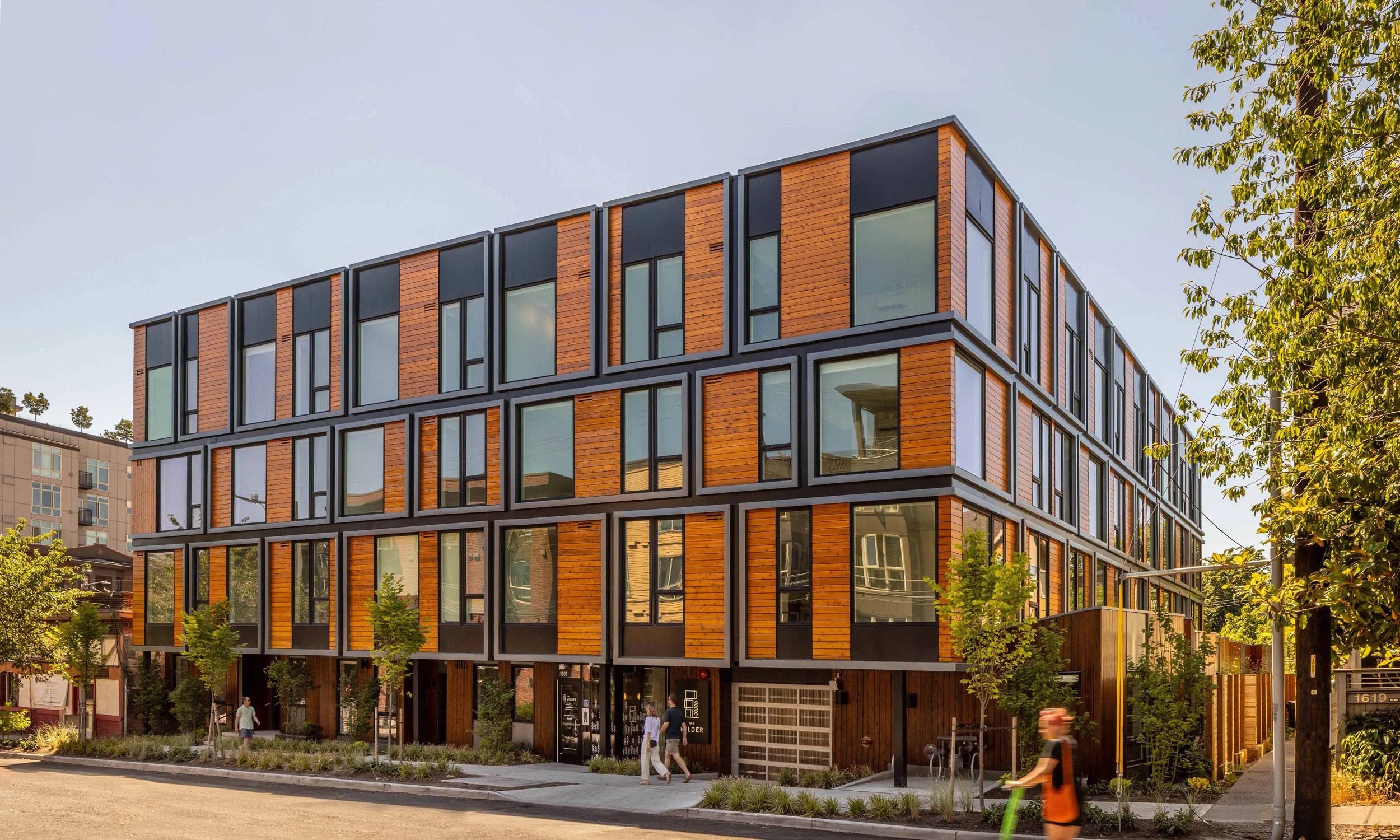
Wilmington, North Carolina sits at the intersection of the Southeast's most dynamic coastal real estate market and a building environment that makes serious demands on every component of a commercial roofing system. New Hanover County's multifamily housing stock has expanded significantly over the past decade, driven by UNCW enrollment growth, retiree migration from northern states, and the region's emergence as a destination for remote workers who can trade urban density for coastal lifestyle. Property managers and real estate investors in Wilmington operate in a market where building condition directly affects leasing competitiveness, and roofing is where the coastal climate most aggressively tests asset quality.
Hurricane exposure is the defining roofing risk factor for every apartment complex in the Cape Fear region. Wilmington has taken direct hits from major hurricanes multiple times in recent decades, most recently Hurricane Florence, which caused catastrophic flooding and wind damage throughout New Hanover County and exposed vulnerabilities in the roofing systems of hundreds of multifamily properties that had not been updated to current wind resistance standards. Property owners who have not replaced aging roofing systems since Florence, or who acquired properties with pre-storm patch repairs that were never fully addressed, carry real exposure as each Atlantic hurricane season brings new threats to the Cape Fear coastline.
Salt air from the Atlantic Ocean and the Intracoastal Waterway accelerates the deterioration of metal roofing components throughout the Wilmington area in ways that property managers from inland markets find surprising when they first take over coastal North Carolina assets. Exposed fasteners, metal flashings at parapet walls, drip edge metal, and HVAC equipment supports on apartment buildings in communities like Wrightsville Beach adjacent properties, Carolina Beach Road corridors, and the Midtown Wilmington developments near Independence Boulevard can show significant corrosion within just a few years unless materials are specified for coastal salt air exposure from the outset. This is not a premium option in the Wilmington market — it is the baseline standard for competent commercial roofing work.
HOA-managed communities throughout New Hanover and Brunswick County — including the many planned communities along US-17, the townhome associations in Porters Neck and Ogden, and the condo buildings on the beach strand — face roofing governance challenges that are amplified by the complexity of North Carolina coastal insurance requirements. Coastal homeowners and condo associations increasingly find that their property insurance carriers require documented roof age and condition information as a condition of coverage, meaning associations whose boards have not maintained adequate records or invested in timely replacements may find themselves facing both a roofing problem and an insurance coverage problem simultaneously.
Real estate investors who have acquired multifamily properties in Wilmington's expanding market — buying value-add assets in Monkey Junction, Castle Hayne, and the Leland/Brunswick County suburbs — face an underwriting challenge that is genuinely unique to coastal North Carolina. A roofing system that might have ten years of remaining life in a landlocked midwestern market may have five years of life in the Wilmington coastal environment, because salt air, UV intensity, hurricane exposure, and the intense summer heat and humidity of the southern Atlantic coast combine to age roofing materials faster than inland climate assumptions would suggest. Calibrating remaining useful life estimates to the actual local environment is the responsibility of the roofing contractor you engage for due diligence.
The student rental market near UNCW creates specific operational constraints for roofing projects on apartment communities in the Monkey Junction area, the Randall Parkway corridor, and the neighborhoods within walking distance of campus. Academic year leasing cycles mean that June and July represent the natural window when turnover creates vacancy gaps suitable for major capital projects. Contractors who work regularly on Wilmington multifamily properties understand these scheduling dynamics and can help property managers plan roof replacements that avoid disrupting the August move-in surge that defines the student rental market's most critical revenue period.
Flat and low-slope roofing systems on Wilmington apartment buildings must be designed and maintained with drainage as a primary consideration. The Cape Fear region receives nearly 55 inches of rain annually, with summer storm events capable of delivering several inches per hour. Rooftop drainage systems that are partially blocked or inadequately designed for the volume of precipitation the area receives can experience catastrophic failures during intense rainfall events — particularly when drainage is compromised by debris accumulation or when scupper openings are undersized for the roof area they serve. Annual drain inspection and cleaning is a minimum maintenance standard, not an optional service.
Property management companies overseeing large multifamily portfolios across the Wilmington metro benefit from working with commercial roofing contractors who provide portfolio-level condition reporting rather than property-by-property reactive service. Understanding the age, condition, remaining life estimate, and projected replacement cost for every roofing asset in a managed portfolio allows property managers to build accurate capital expenditure forecasts, allocate limited maintenance budgets based on risk priority, and communicate proactively with investors about upcoming capital needs. In a market as competitive as Wilmington's coastal rental landscape, systematic asset management is a genuine competitive advantage.
Post-hurricane recovery for multifamily properties in the Cape Fear region requires a commercial roofing partner who can respond quickly after storm landfall, document damage thoroughly for insurance carrier review, provide emergency tarping and temporary repairs to stop active interior damage, and then manage the restoration or replacement process through permitting, inspection, and final completion. Property managers who have established these contractor relationships before hurricane season — not after a storm makes landfall — are dramatically better positioned to protect their assets and their tenants through the recovery period. Building that relationship in advance is one of the most important risk management investments a Wilmington multifamily property owner can make.
- How does hurricane risk affect roofing decisions for apartment building owners in Wilmington, NC?
- Wilmington's coastal location means every roofing replacement should be specified to meet or exceed current North Carolina Building Code wind uplift requirements for the coastal zone, and material selection should account for the combination of wind, rain, and debris impact that a direct hurricane landfall produces. Property owners should also verify that their commercial property insurance coverage is current and that roof age and condition are documented to the carrier's satisfaction before each Atlantic hurricane season begins.
- What roofing materials are best suited for the Wilmington, NC coastal environment?
- TPO single-ply with heat-welded seams performs well on Wilmington flat-roofed multifamily buildings because seam integrity is critical in a high-rainfall, high-wind environment. All metal components should be specified in aluminum or galvanized steel with appropriate coatings for salt air exposure. Standing seam metal roofing is a strong performer on pitched sections where hurricane wind resistance is a priority.
- How does the UNCW academic calendar affect when roofing projects should be scheduled on nearby apartment complexes?
- The late May through early August window, when student housing turnover creates natural vacancy, is the practical window for major roofing projects near the UNCW campus. Contractors should be engaged in late winter or early spring to ensure availability during this narrow scheduling window, since qualified commercial roofing contractors in the Wilmington market are in high demand during the same summer months that favor construction.
- What should a Brunswick County HOA board understand about roof replacement costs in coastal North Carolina?
- Roofing costs in coastal North Carolina reflect the specialized material specifications required for salt air environments, the wind uplift engineering requirements of the coastal building code zone, and the higher labor costs associated with experienced crews who understand coastal roofing standards. Budget estimates based on inland market comparables will typically understate actual costs, which is why board-commissioned estimates from local contractors are more reliable than national cost-per-square-foot benchmarks.
- How long does a commercial roof last on a Wilmington apartment building compared to an inland location?
- Commercial roofing systems in the Wilmington coastal environment typically experience somewhat shorter effective service lives than equivalent systems in inland markets due to the combination of salt air exposure, higher UV intensity, frequent heavy rainfall, and hurricane exposure. A well-maintained TPO system might achieve 18 to 22 years in Wilmington versus 22 to 25 years in an inland location — a difference that should be factored into capital reserve planning for coastal multifamily assets.