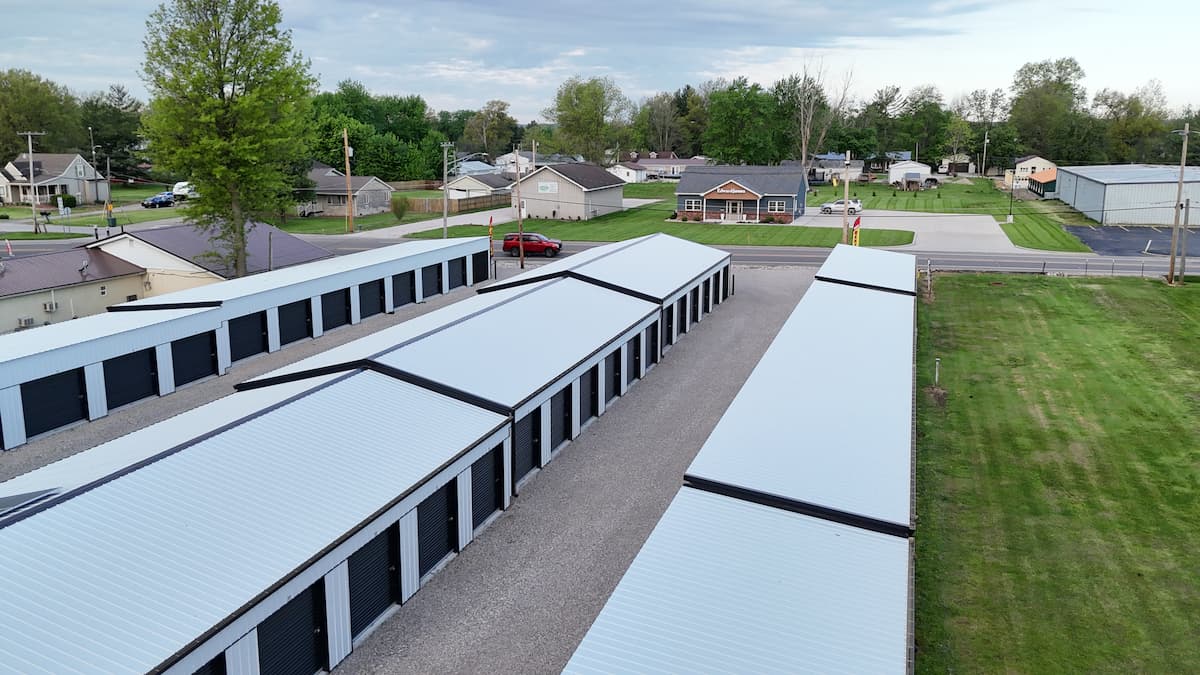
Plantation Storage, with its flagship location on Market Street in Wilmington and additional sites serving the Cape Fear region, operates in one of North Carolina's most weather-exposed coastal markets. Wilmington's position near the mouth of the Cape Fear River and its direct Atlantic coast exposure place it in the path of tropical systems with regularity — Hurricane Florence in 2018 flooded significant portions of New Hanover County, and self-storage operators who had maintained their roofs in good condition through that event faced far smaller remediation bills than those who had deferred maintenance. Commercial roofing in Wilmington is, fundamentally, coastal storm preparation.
North Carolina's Building Code requires enhanced wind resistance for buildings in the coastal counties, and New Hanover County falls within the state's highest wind exposure zone. Low-slope commercial roofing assemblies must meet specific uplift resistance requirements that reflect the regional design wind speeds, and contractors who install systems without verifying that the assembly's tested uplift rating meets or exceeds the calculated design pressure at this location are leaving the building owner exposed. We perform uplift calculations as part of every project proposal and document the selected assembly's rated performance against those requirements.
Hurricane season in the Cape Fear region runs from June through November, with historical storm tracks showing that the Wilmington area has more direct landfalling hurricane exposure than most of the Southeast Atlantic coast. The combination of direct storm surge risk, high sustained wind speeds, and intense rainfall during landfalling events requires self-storage roofing systems that perform under conditions significantly more demanding than the typical commercial building design scenario. Edge metal, perimeter attachment, and penetration flashing details must all be engineered for hurricane exposure, not just typical design wind speeds.
The coastal pine forest environment around Wilmington creates a debris loading concern for rooftop drainage that is distinct from inland markets. Storm winds blow pine branches, pinecones, and bark debris onto roofs in significant quantities, and drains that clog with organic material during a storm lose their drainage function precisely when it is most needed. We recommend leaf guard drain covers with oversized rim openings and overflow scuppers at every parapet bay as standard practice on Wilmington self-storage roofs, supplemented by a debris clearing inspection after any wind event.
The high humidity of the Cape Fear coastal environment accelerates mold and algae growth on roofing materials and in the insulation board beneath membranes that have been compromised by even small amounts of moisture infiltration. Mold in a self-storage facility creates odor, air quality issues, and potential tenant claims that are costly and disruptive. Keeping the membrane system in tight condition through regular inspection and prompt repair of any identified infiltration points is the most cost-effective approach to preventing the biological contamination that coastal humidity enables.
Self-storage buildings in the Wilmington area that were constructed before the strengthened North Carolina Building Code cycles following Hurricane Fran in 1996 and subsequent storms may have roofing systems with edge metal attachment, fastening patterns, and perimeter details that do not meet current code requirements. A compliance evaluation is particularly valuable for operators who purchased older facilities and do not have documentation of the installed system's wind uplift performance. We provide these evaluations as a standalone service separate from any reroofing proposal.
Tenant protection on Wilmington self-storage roofing projects includes a hurricane season protocol that limits open deck exposure in the weeks between June 1 and November 30. We structure project schedules to complete major roofing sections with finished membrane edges before advancing to the next section, never leaving large open areas that could not be emergency-covered within two hours if a storm warning were issued. This protocol adds some sequencing complexity but is essential for the responsible management of an occupied storage facility during Atlantic hurricane season.
Flat roof drainage in Wilmington must also account for the region's high groundwater table and occasional tidal flooding in low-lying areas near the waterfront. While roof drainage is primarily about managing precipitation, facilities in flood-prone areas need to ensure that their storm drain connections are not subject to backflow during flood events that raise water levels in municipal drainage systems. Check valves on interior drain connections and elevated scupper outlets can prevent flood water from backing up into the roof drain system during major events.
Self-storage operators throughout New Hanover County — from the Mayfair corridor through Ogden and Porters Neck and across the river to Brunswick County — can schedule a complimentary coastal commercial roofing assessment. We provide condition reports, wind uplift performance evaluation, and hurricane preparedness recommendations that help operators protect both their roof investment and their tenants' stored property through the active Atlantic hurricane season.
- What North Carolina Building Code requirements apply to self-storage roofing in Wilmington?
- New Hanover County falls within North Carolina's coastal construction zone, which requires wind resistance design to reflect the area's high basic wind speed. Low-slope commercial roofing assemblies must be tested and rated to meet the calculated design uplift pressures for the specific exposure category and risk classification of the building. NC Building Code also requires that installations be documented with product approvals that confirm the assembly's tested performance.
- How should a Wilmington self-storage operator prepare their roof for hurricane season?
- Before June 1, have a professional inspection, clear all drains and scuppers, verify all edge metal and parapet cap fasteners are secure, and document roof condition with photographs. Confirm you have a contractor relationship in place for emergency response, since post-storm contractor availability in the Wilmington market becomes severely constrained after major events. Consider a pre-season perimeter attachment assessment if your building is more than fifteen years old.
- Can a self-storage roof be repaired during hurricane season?
- Repairs can proceed during hurricane season with awareness of the forecast. We monitor storm tracks actively during June through November and adjust project sequencing to ensure that any open conditions can be secured within hours if a tropical watch or warning is issued. Routine maintenance and smaller repairs are generally manageable throughout the season with standard weather monitoring protocols.
- What causes more self-storage roof damage in Wilmington — wind or rain?
- In the context of tropical systems, wind and rain work together — wind lifts edge metal and perimeter membrane, creating paths for driven rain to enter. In purely wind events, the primary failure point is perimeter and corner attachment. Heavy rain alone on a tight membrane causes less damage than the combination. Keeping edge metal and perimeter attachment in excellent condition addresses the vulnerability that allows rain to become a problem.
- How does Wilmington's humidity affect the choice of roofing materials?
- High coastal humidity means that any moisture infiltration into the roof assembly creates an environment highly favorable to mold and biological growth. Closed-cell polyisocyanurate insulation board resists moisture absorption better than open-cell alternatives and is the standard specification for coastal North Carolina commercial roofing. Membrane seams and penetration details must be reliably watertight because the coastal environment will exploit any long-term imperfection.