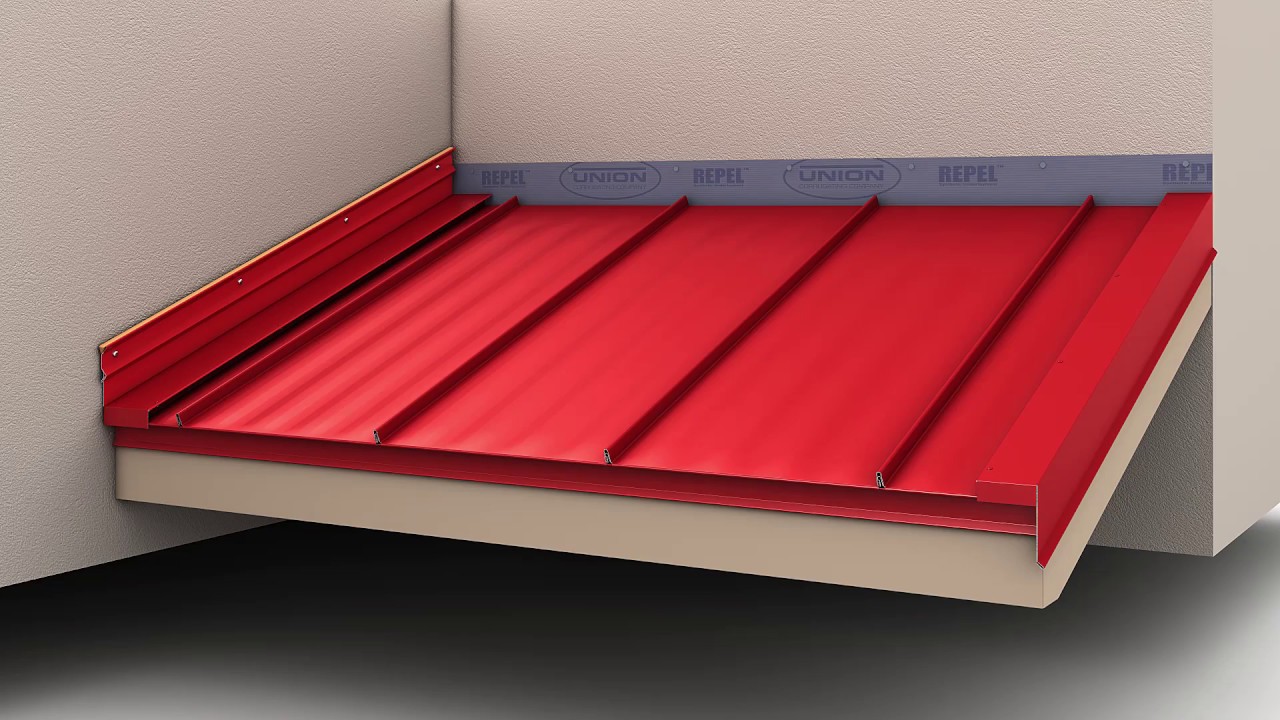
Penetration flashing failures are the most common source of commercial roof leaks in the Wilmington market, and the density of rooftop penetrations on certain building types makes this a disproportionate maintenance and repair focus. UNCW's campus buildings have the kind of penetration density typical of institutional construction — HVAC curbs, conduit runs, plumbing vents, telecommunications equipment, and specialized exhaust systems that accumulate over decades of facility upgrades. Novant Health New Hanover Regional Medical Center and its associated medical office buildings carry even greater penetration density, with medical gas lines, specialized HVAC systems, generator exhaust, and rooftop equipment that requires frequent access and service. Coastal hospitality buildings at Wrightsville Beach and Carolina Beach add skylights and rooftop mechanical equipment to roofs that are in a salt-air environment that degrades flashing materials faster than any inland location. Every penetration is a potential water entry point, and in Wilmington's tropical storm events — with sustained wind-driven rainfall that arrives horizontal and at pressure — every flashing detail that is not executed correctly becomes an active leak.
Skylight curb flashing is among the most detail-sensitive work in commercial roofing. A skylight curb that is correctly flashed is watertight under sustained tropical rainfall from any direction — the membrane turns up the curb face, the cap flashing overlaps properly, and the sealant at terminations is installed with materials rated for coastal UV exposure. A skylight curb that is improperly flashed — with membrane terminating on the curb face rather than turning onto the horizontal curb top, or with sealant as the primary weather barrier rather than properly lapped flashing — is a leak waiting to happen under the wind-driven rain that tropical events deliver. We have found improperly flashed skylight curbs on commercial buildings across Wilmington that had been in place for years without leaking during normal rain but failed immediately when a tropical storm arrived with horizontal rainfall. The flashing appeared adequate in normal conditions and was inadequate in the conditions that actually matter in this market.
HVAC curb flashings are the most numerous single penetration type on most commercial buildings and among the most frequently disturbed by maintenance activity. Every time an HVAC technician services a rooftop unit, the curb flashing is adjacent to their work area — subject to being stepped on, having tools dropped on it, having condensate line work done that disturbs the pipe boot nearby, and having work done on the equipment that pulls on conduit and electrical runs that terminate through adjacent penetrations. Over years of service activity, HVAC curb flashings develop a cumulative history of small disturbances that individually seem minor but collectively compromise the flashing detail. We inspect HVAC curb flashings individually on every maintenance visit — not as a group assessment, but a condition check of each curb that documents any disturbance, lifting, or sealant failure at that specific location.
Pipe boots — the flexible flashing collars that seal around plumbing vents, conduit, and other pipe penetrations through the membrane — are a consumable roofing component in Wilmington's coastal climate. Standard EPDM pipe boots develop surface cracking and base separation from UV exposure significantly faster in coastal conditions than inland markets. The combination of salt air, UV intensity, and the thermal cycling of Wilmington's wide seasonal temperature range causes pipe boot degradation that we consistently find at 8 to 12 years on coastal buildings where inland counterparts might last 15 to 20 years. On buildings with multiple pipe boots — typical of any commercial building with plumbing, gas, and mechanical penetrations — the probability that at least one boot is approaching or past its reliable service life is high on any roof that has not been recently inspected. We replace deteriorated pipe boots with products rated for coastal UV exposure and specify stainless steel clamp rings that will not corrode and lose clamping force in the salt-air environment.
Flashing integrity under sustained tropical storm rainfall is a test that normal rain events do not replicate. Wind-driven rain during a tropical storm arrives with pressure and from directions that standard rain does not — a flashing detail that sheds water under a vertical, low-velocity rain event may leak when rain arrives horizontally at 60 mph with sustained pressure behind it. This is why pre-hurricane season flashing inspection focuses specifically on details that have directional exposure — penetrations on the windward face of curbs, counterflashing at parapet walls on the prevailing storm approach side, and skylight curbs where the cap flashing lap direction is not aligned with the predominant wind direction. We note directional exposure when documenting flashing conditions and flag details where the construction direction creates vulnerability to the wind-driven rain that tropical events produce.
Institutional buildings at UNCW and Novant Health facilities have facilities management departments with specific protocols for rooftop access and contractor coordination. We work within those protocols — completing required safety certifications, coordinating access through the facilities scheduling system, and adhering to institutional requirements for contractor conduct on campus and medical facility properties. Institutional clients often have specific documentation requirements for work performed on their roofs — we provide documentation that meets those requirements, including seam inspection records, material certifications, and installation photographs in formats compatible with institutional capital asset management systems.
Salt air attack on flashing materials in coastal Wilmington is not a gradual, uniform process. It concentrates at points of material discontinuity — the interface between aluminum termination bar and roofing membrane, the fastener holes in a counterflashing reglet, the sealant joint at a pipe boot base. These are the points where moisture infiltration begins, where galvanic reactions between dissimilar metals occur, and where the salt-air environment finds its entry into the flashing assembly. When we specify replacement flashing materials for coastal Wilmington applications, we choose components that address these specific failure points — marine-grade aluminum where aluminum is required, stainless fasteners throughout, UV-stable sealants rated for coastal exposure, and EPDM pipe boots with bonded stainless clamp rings. These are not luxury specifications — they are the correct specifications for the exposure environment, and they are what we install on every coastal project.
Post-storm penetration flashing assessment after hurricane and tropical storm events in Wilmington requires systematic, penetration-by-penetration documentation. Flying debris during a storm can impact and displace pipe boots, crack skylight glazing, and dislodge HVAC curb cap flashings. Wind-driven rain can infiltrate any flashing gap that was marginal before the storm. We include penetration flashing in our post-storm damage documentation as a matter of course — photographing every penetration individually, noting any displacement, damage, or evidence of water infiltration at each location. This level of documentation supports insurance claims for storm damage to flashing components, which are a legitimate and often significant component of the total post-storm repair scope.
Maintenance programs for buildings with high penetration density — institutional, medical, and hospitality properties — include a penetration-specific inspection protocol that goes beyond a general roof condition check. We document every penetration by type and location in a numbered system keyed to a roof plan, and track condition changes year over year. This approach allows us to identify which penetrations are deteriorating toward failure and prioritize replacement before they become active leaks, rather than responding reactively when a leak is reported from inside the building.
Questions Owners Ask
How often should pipe boots and penetration flashings be inspected on a Wilmington commercial building?
Annually at minimum — as part of the pre-hurricane season maintenance visit. Buildings with high penetration density or significant rooftop HVAC service activity should add a post-storm season inspection in October or November. Pipe boots on coastal Wilmington buildings typically begin showing significant UV degradation at 8 to 12 years, so buildings with boots in that age range need closer monitoring and proactive replacement planning. We track penetration conditions year-over-year for maintenance program clients so that deterioration trends are visible before failures occur.
My building's HVAC technicians access the roof regularly. How does this affect my roof's condition?
Frequent rooftop access by non-roofing contractors is one of the most common sources of incidental roof damage. HVAC technicians can displace pipe boots, step on curb flashings, leave gaps in conduit penetration seals, and create punctures by dropping tools or dragging equipment across the membrane. We recommend requiring rooftop access personnel to report any contact with roofing components, and adding a focused penetration inspection after any period of significant HVAC service activity. Walk pads in the access path from the roof hatch to the equipment reduce membrane damage from repeated foot traffic.
A skylight on my building leaks every time we get heavy rain. Can this be repaired without replacing the skylight?
Often yes. The leak source may be the curb flashing detail rather than the skylight glazing itself — improperly lapped base flashing, inadequate cap flashing overlap, or failed sealant at the curb perimeter can allow water infiltration without the skylight frame or glazing being the actual failure point. We assess the specific leak mechanism before recommending any scope — if the curb flashing can be rebuilt correctly to solve the problem, that is far less expensive than skylight replacement. If the skylight glazing or frame is itself damaged or deteriorated, we assess whether the glazing can be replaced without full frame replacement.
How does salt air specifically affect flashing materials faster at the coast?
Salt air accelerates corrosion of metal flashing components — aluminum oxidizes, galvanized coatings fail, and standard fasteners corrode at the shank and head — through a combination of chloride ion penetration and the humidity that keeps metal surfaces continuously moist between rain events. The galvanic reaction between dissimilar metals in contact — aluminum termination bar against a steel fastener, for example — is accelerated in the presence of the salt-ion-laden moisture that coastal air provides continuously. We specify materials chosen for this specific exposure: marine-grade aluminum, stainless fasteners, and UV-stable sealants that maintain flexibility in coastal UV conditions.
My hospital building has dozens of penetrations and a very complex roof. How do you manage inspection on a building like that?
We document every penetration individually — numbered, photographed, and mapped on a roof plan — during the initial assessment. That documentation becomes the baseline for every subsequent inspection, allowing us to track condition changes at each specific location rather than doing a general sweep that misses individual deteriorating components. For institutional buildings with facilities management departments, we can integrate our penetration condition records into your capital planning and preventive maintenance documentation systems. The complexity of a highly penetrated roof is exactly the argument for a systematic, documented approach rather than a general walk-and-report inspection.